17th century
Life in the Ore Mountains
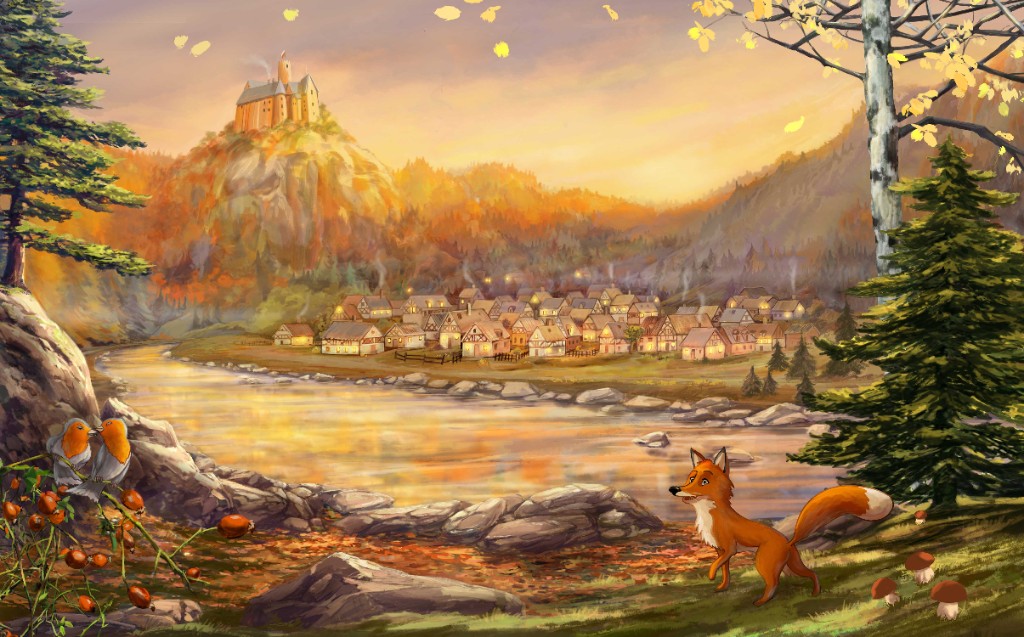
There was silver under the earth; above it, life was sparse. Long winters, hard work and dependence on those who held the land shaped the days of many families. The mine, the forest and the craft gave them what they needed to live.
Mining in the Ore Mountains
Silver changed the mountains.
Silver had been sought in the Ore Mountains for centuries. Adits ran deep into the rock; water had to be drained and the ore brought to daylight by hard physical labour.
Mining brought work and wealth to the region – yet the lives of ordinary miners remained hard.
Adits led into the mountain. Water had to be held back, timber set, ore hauled by hand. The work was heavy, the light scarce, the day underground longer than the one above.
Silver was coinage metal and the wealth of the region. It fed smelters, trade and lordship. Miners themselves often kept only the wage of the shift.
Spoil heaps, watercourses and the hunger for pit timber reshaped the hills. What was forest and slope above carried the marks of labour below.
Wood in the Ore Mountains
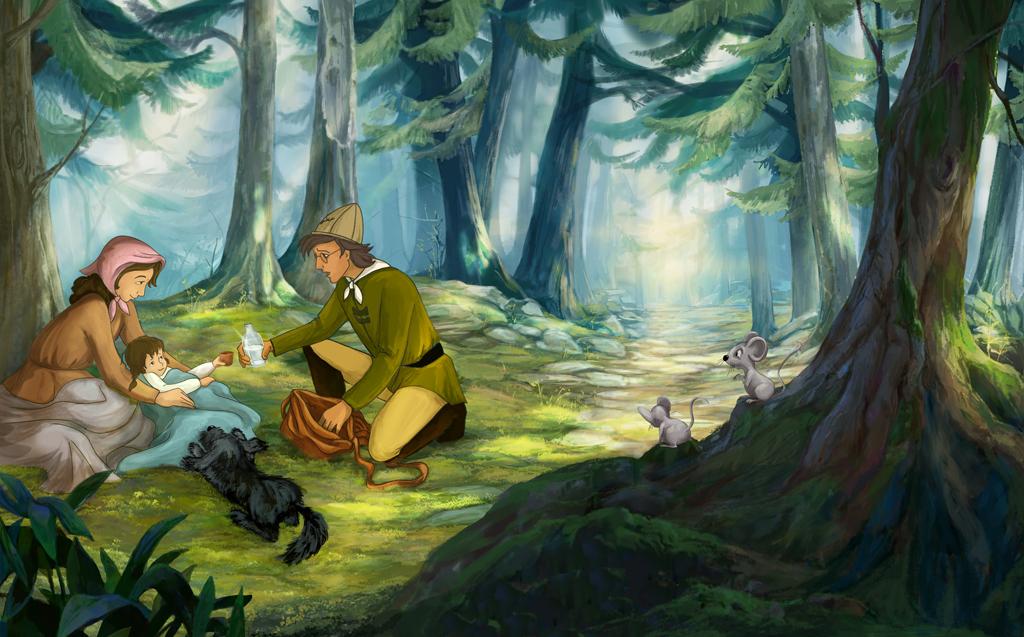
The forest set the terms of daily life.
Wood was the material of everyday life: warmth, building timber, tools. Workshops in the region made useful objects – and, gradually, things to play with.
The Ore Mountain woodcraft later famous elsewhere does not belong to this century. Its forms have their own, later place on this timeline.
Tables, bowls, tool handles, shingles: wood was near, workable and almost always needed. Metal stayed expensive; wood carried the day.
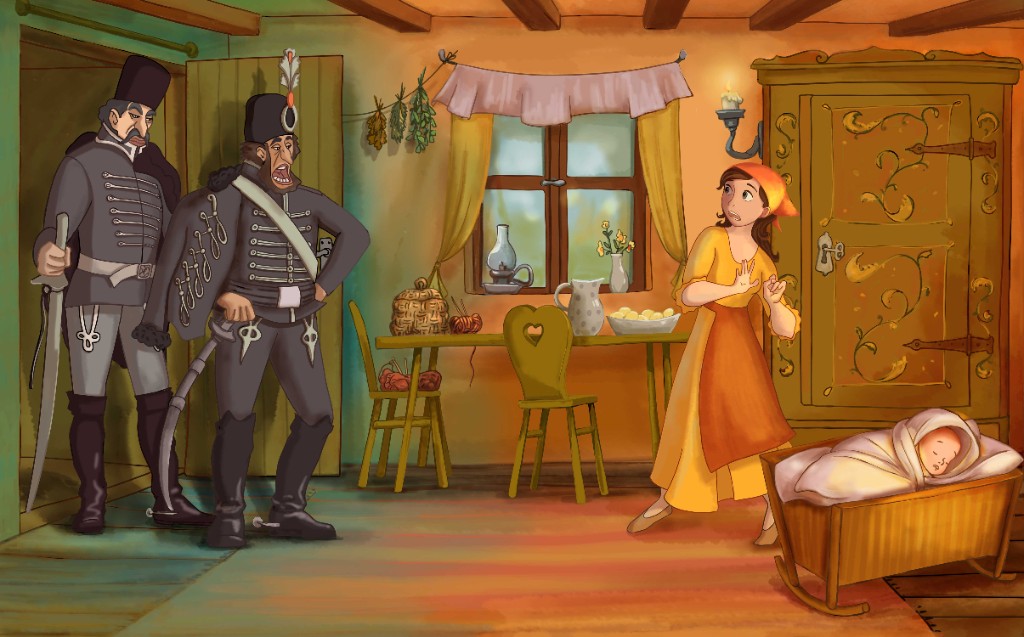
The forest supplied firewood, building timber and pit props. Who might use it, and on what terms, was often decided by those who held the land – not only by a family’s need.
Simple craft belonged to the household. Useful objects and, in some places, early playthings were made beside other work – still without the later Christmas forms.
Nutcrackers, incense smokers and Christmas pyramids belong to later centuries. This timeline will tell them where their documented form begins – not here, in the 17th century.
Light and winter
The nights were long.
Winters in the mountains were dark. Light had to be made: in the house, on the paths, in the adits.
What later became the Ore Mountains’ Christmas light culture belongs to other centuries. Here the subject is everyday life before that form.
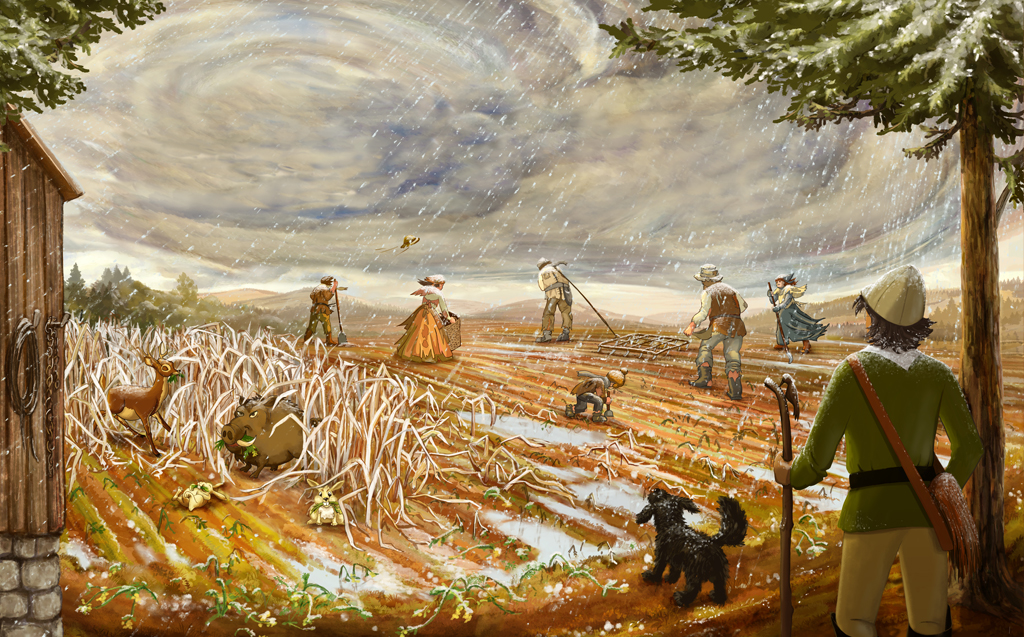
Snow lay long. Days were short, paths uncertain. Winter decided when work was possible, when the stove was fed, when the house stayed shut.
Pine spills, wicks and mine lamps were scarce and dear. Light was labour: those who had it had made it or paid for it.
Candle arches, incense smokers and Christmas pyramids are younger than this station. They will stand on this timeline in their own place – not as scenery for the 17th century.